

 13th Jul 2026
 182
182 indeed
3rd Aug 2026
Complete Closed Pod System Guide for Smooth Vaping

The global shift toward streamlined vaping architectures has established the closed pod system as the benchmark for hassle-free daily nicotine delivery. By eliminating the manual complexities of open-tank refilling, coil rebuilding, and messy e-liquid handling, closed pod systems offer an incredibly clean, accessible route for both transitioning smokers and flavor enthusiasts alike.
However, selecting the right setup requires a deep understanding of device engineering, battery regulation, and component longevity. This definitive guide breaks down the structural mechanics of premium closed vapes, outlines key performance indicators, and offers diagnostic tips to maximize your hardware’s lifecycle.
Technical Architecture: Closed vs. Open Systems
At its core, a closed pod system is a two-part assembly consisting of a rechargeable power unit and a factory-sealed, pre-filled e-liquid cartridge.
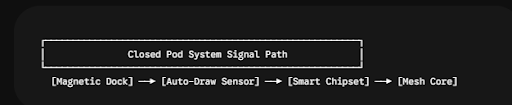
Unlike open pod configurations where users must manually saturate the wicking material from an external bottle, a closed architecture locks the e-liquid matrix away inside an airtight chamber during mass manufacturing. This structural containment completely eliminates user filling errors—the primary catalyst for internal component flooding.
Top 5 Reasons Users Prefer Closed Pod Systems
1. Frictionless, No-Maintenance Operation
Legacy vaping setups demand constant diagnostic attention: adjusting variable wattages, verifying coil resistances, and cleaning tank threads. Closed pod structures strip away this operational friction. The integrated auto-draw sensor triggers the heating element instantly upon inhalation, mimicking the exact sensory mechanics of a traditional combustible cigarette.
2. High-Integrity Leak Isolation
Internal structural leakage is the single most common consumer complaint within the portable hardware industry. Closed systems mitigate this vulnerability by utilizing specialized structural gaskets, internal condensation traps, and sonically welded polymer bases.
Structural Fact: Factory-sealed pods prevent ambient air pressure shifts from destabilizing the vacuum inside the juice reservoir, keeping your pockets, bags, and charging terminals dry.
3. Pocket-Friendly Ergonomics
Without the bulk of massive glass tanks or heavy dual-18850 battery arrays, these devices are masterclasses in minimalist design. Built using lightweight aluminum wraps or high-tensile impact polycarbonates, they provide a sleek, low-profile footprint that slips completely unnoticed into standard pockets.
4. Factory-Calibrated Performance
When using variable power setups, improper wattage-to-resistance matching regularly results in spitback or scorched cotton. In a closed architecture, the manufacturer pairs the factory liquid composition, the exact coil resistance, and the battery's output voltage perfectly. This ensures uniform cloud volume and stable nicotine delivery from the very first pull.
5. Drastically Reduced Environmental Footprint
While traditional single-use disposables require discarding a highly complex microchip and a raw lithium-ion battery every few days, closed systems feature a permanent, long-lasting battery base. You only recycle or swap out the small plastic flavor cartridge, making it a much more eco-conscious option. Retailers seeking to fulfill modern environmental mandates can explore high-efficiency platforms via our high-margin B2B wholesale pod systems hub.
Key Hardware Features to Evaluate
To secure a premium daily experience, always audit the technical specifications of a closed pod device before purchasing.
Battery Capacity & Charging Protocols
Do not judge a device solely on its physical size. Evaluate its milliampere-hour (mAh) rating. A premium pocket setup should carry a minimum of 500mAh to 850mAh to guarantee full-day operation. Furthermore, ensure the hardware incorporates USB Type-C Fast Charging, which fully restores a depleted battery cell in under 40 minutes.
Advanced Leak-Resistant Enclosures
Look for pods that feature multi-layered labyrinth airflow pathways. This interior design captures escaping vapor condensation droplets before they can migrate down into the magnetic charging pins, preventing accidental internal short-circuits.
Localized Pod Supply Networks
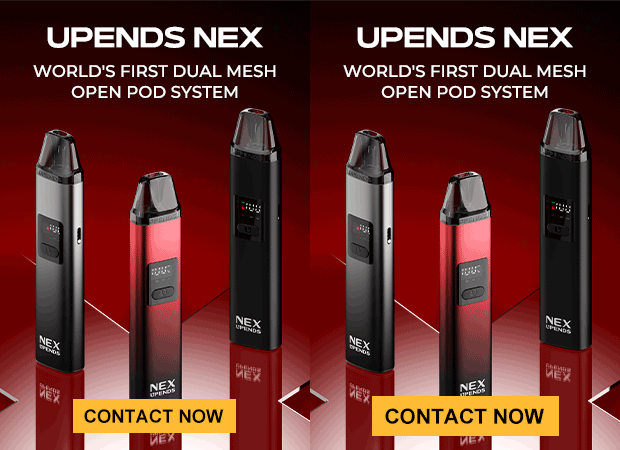
A high-performance vape device is only as good as the availability of its replacement cartridges. Before committing to a specific brand ecosystem, verify that its proprietary pods are consistently stocked by reputable regional distributors. For an analysis of highly scalable, globally distributed closed configurations, examine the UPENDS closed pod system innovation collection.
Proactive Habits to Extend Device Longevity
With basic diagnostic maintenance, you can easily double the operational lifespan of your pod battery base.
1.Enforce Correct Charging Cycles:
Protocol 1.
Never leave your pod system attached to a high-voltage wall block overnight. Excessive thermal exposure degrades lithium-ion chemistry. Disconnect the device immediately once the smart LED status indicator signals a full charge.
2.Orient Storage Away From Pressure:
Protocol 2.
When not actively in use, store your device in an upright, vertical position. This orientation allows gravity to keep the e-liquid resting evenly against the bottom wicking holes, preventing air pockets from forming around the heating core.
3.Sanitize the Magnetic Docking Bay:
Protocol 3.
At least once a week, insert a dry microfiber swab into the device's receiver bay. Gently clear away any dust, pocket lint, or minor condensation buildup to maintain an uncompromised electrical connection between the gold-plated pins.
B2B & Consumer Troubleshooting Diagnostic Array
When a closed system underperforms, use this technical troubleshooting reference to quickly isolate and resolve the root cause:
| Observed Symptom | Probable Structural Cause | Corrective Diagnostic Action |
|---|---|---|
| Weak Vapor Production | Low cell voltage or sagging battery current. | Attach to a verified Type-C power line until full charge is confirmed. |
| Acrid / Burnt Flavor | E-liquid reservoir depleted or internal cotton wick scorched. | Discard the cartridge immediately and install a fresh, pre-saturated pod. |
| No Fire / LED Blinking | Poor contact alignment caused by connection area contamination. | Clean the gold contacts inside the bay with a dry cotton swab. |
| Gurgling / Fluid Spitback | Flooded airway chimney caused by sudden atmospheric pressure shifts. | Remove the pod, place a tissue over the mouthpiece, and gently shake downward to clear the chimney. |
| Device Not Charging | Micro-fractured charging cable or lint obstruction inside the USB port. | Clean the charging port with a wooden pick or swap to a new Type-C cable. |
Conclusion
Closed pod systems continue to dominate the modern landscape because they refine the vaping experience down to pure convenience and reliable delivery. By selecting devices built with fast charging, robust leak containment, and highly engineered internal chipsets, you eliminate the headaches of traditional vapes. Adopting basic cleaning habits and proper power care ensures your hardware delivers smooth performance for the long haul.
Frequently Asked Questions
1. What is the fundamental operational difference between open and closed pod systems?
A closed pod system uses factory-sealed, pre-filled cartridges that must be discarded once empty, providing a completely leak-free experience. Open pod systems utilize empty, user-refillable tanks that allow you to manually drip external e-liquids, which offers greater fluid variety but demands significantly higher manual maintenance.
2. Are closed pod systems suitable choices for beginners?
Yes, they are widely considered the ideal entry point for individuals transitioning away from smoking. They feature automatic draw-activation, zero buttons, and require no advanced technical knowledge regarding wattage settings or coil resistances.
3. How long does an individual pre-filled closed pod typically last?
Pod longevity depends heavily on your daily inhalation habits. For an average user, a standard 2mL pod delivers roughly 600 to 800 puffs, which typically spans 2 to 3 days of regular use before requiring a replacement cartridge.
4. Why does my closed pod device suddenly taste burnt
A burnt taste indicates that the internal organic cotton wicking material inside the pod has dried out or been scorched. This happens when the e-liquid reservoir is empty, or if you are "chain-vaping" (taking deep, back-to-back hits without giving the coil 15 seconds to pull fresh liquid back into the core). Replacing the empty pod immediately resolves the issue.



 +86 188 9873 6271
  info@upends.com
  www.upends.com
  Flat/Rm 1201, 12/F, Tai Sang Bank Building 130–132 Des Voeux Road Central Central, Hong Kong


