

 14th Nov 2025
 256
256 Andrew



20th Nov 2025
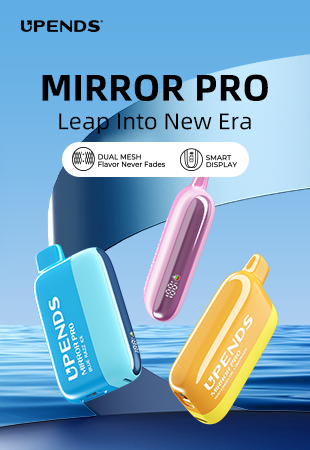
Product selection within vaping distribution carries direct consequences for profitability. The category of smart vape disposable devices introduces specific economic variables that differ from conventional options. We at UPENDS analyze these products through the lens of channel economics, observing how their integrated features influence margin structures. The transition to a smart vape platform can facilitate a measurable improvement in per-unit profitability for partners through several interconnected mechanisms.

Establishing a Defensible Premium Price Tier
The primary driver for margin enhancement is the ability to command a higher wholesale price. A smart vape disposable, by virtue of its integrated interface and advanced functionality, occupies a distinct product category separate from basic disposables. This technological differentiation provides a clear justification for the price increment. Channel partners can position these devices based on their enhanced user control and informational transparency, moving the sales conversation away from competing solely on price. This shift allows for the maintenance of a stronger margin profile that reflects the product's added value.
Reducing Operational Costs Associated with Product Returns
Margin is not only a function of revenue but also of protected profit. A significant advantage of a smart vape is its capacity to lower operational expenses linked to customer returns and support. Features like e-liquid and battery monitors prevent the primary causes of user frustration—unexpected depletion and dry hits. This proactive information delivery drastically reduces the number of devices returned under warranty or reported as faulty. For a distributor, this means lower reverse logistics costs and less administrative overhead, preserving the margin earned on each initial sale.
Enhancing Inventory Efficiency Through Product Consolidation
The feature set of smart disposable vapes can also lead to more efficient inventory management. A single SKU with multiple user-adjustable settings, such as power modes or airflow control, can appeal to a broader range of consumer preferences. This versatility may reduce the need to stock numerous specialized SKUs to cover the same market segment. Simplifying the product line in this manner can decrease carrying costs, minimize the risk of slow-moving inventory, and improve inventory turnover rates—all contributing positively to the overall profitability of the product category.
The margin increase from these devices is realized through a combination of higher price points, lower operational costs, and improved inventory dynamics. A smart vape disposable represents a move towards a more sophisticated product economics model. For channel partners, this transition supports a more sustainable and profitable business structure, where value is delivered through innovation and operational efficiency, rather than through price-based competition alone.



 +86 188 9873 6271
  info@upends.com
  www.upends.com
  Flat/Rm 1201, 12/F, Tai Sang Bank Building 130–132 Des Voeux Road Central Central, Hong Kong


