

 11th Nov 2025
 139
139 Andrew



20th Nov 2025
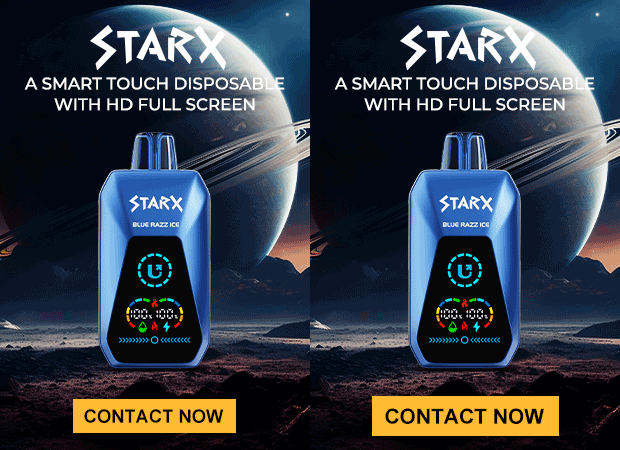
Product differentiation remains a constant focus within the vape industry. As we at UPENDS evaluate components, the question of interface technology arises. While a standard vape with a screen offers clear utility, advancing to a touch interface introduces new considerations. This analysis explores whether the integration of a touch screen can validate a higher cost for a vape with a screen from a business perspective.

The User Interface Shift from Buttons to Glass
The primary distinction of a touch screen vape with screen lies in its interaction model. Moving from physical button presses to tactile gestures on a glass surface represents a significant shift in user experience. This method of control is often associated with modern smart devices, creating an immediate perceptual link to sophistication and high technology. The fluidity of navigating menus or adjusting settings with a swipe or tap can make the device feel more integrated and less modular. For a user, this seamless interaction can transform the device from a mere utility into a modern personal accessory, elevating its perceived worth beyond its core function.
Durability and Functional Complexity in Design
Adopting a touch screen for a vape with a screen introduces specific engineering challenges that influence value. The display must be resilient against scratches, impacts, and consistent contact. This often necessitates the use of hardened glass or specific polycarbonate blends, which increase material costs. Furthermore, the device’s internal architecture must accommodate the touch-sensitive digitizer and its connection to the main board, adding layers of complexity compared to a simple button-based interface. This functional complexity is not merely cosmetic; it represents a substantial investment in research, development, and component quality that contributes to the final price point of an advanced vape with a screen.
Market Positioning and Consumer Perception
The decision to integrate a touch screen often aligns with a strategy to occupy a specific market segment. A vape with a screen that features touch control is inherently positioned as a premium offering. It communicates a commitment to advanced technology and a superior user experience. For retailers, this creates a clear narrative for customers seeking high-end devices. The product is no longer just about vapor delivery; it is about the quality of the entire interaction. This allows businesses to cater to a demographic that values innovation and sleek design, and who perceive the advanced interface as a justified reason for a higher investment.
The justification for a premium price on vapes with screen with touch functionality is multifaceted. It rests on the enhanced and familiar user experience it provides, the underlying costs of durable materials and complex engineering, and its strategic role in defining a high-tier market position. For business partners, such a product represents an opportunity to address a discerning customer base that interprets sophisticated interaction as a core component of product value, making the initial cost a calculated step towards capturing a specific and profitable market segment.



 +86 188 9873 6271
  info@upends.com
  www.upends.com
  Flat/Rm 1201, 12/F, Tai Sang Bank Building 130–132 Des Voeux Road Central Central, Hong Kong


